
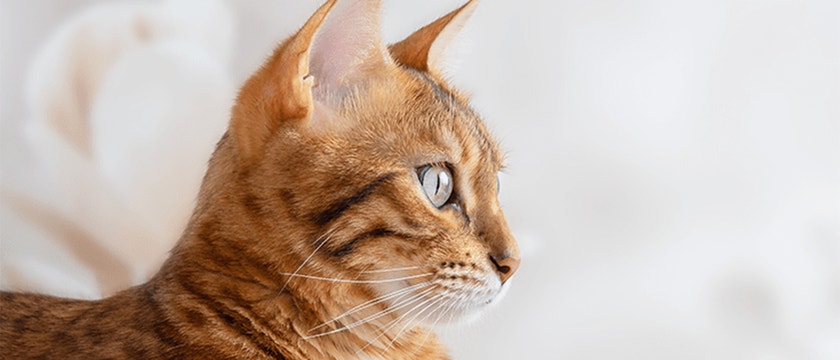
How much is a cat? Costs of buying and caring for a cat

Article checked by a vet
Bringing a kitten or cat home can be a delightful experience for yourself, your family and your new feline friend, especially as there are many health benefits of owning a cat. However, cats are a long-term financial commitment and there are many things to consider when getting a cat, including how much a cat or kitten costs.
How much is a cat in the UK? A quick cost summary
Whether you adopt from a shelter or purchase from a cat breeder, there are several other costs of owning a cat, including a cat bed, food bowls, litter trays, carrier boxes, toys and treats, as well as recurring costs such as food, vet bills and pet health insurance.
That said, costs will vary depending on whether you adopt or opt to buy a pedigree kitten, for example. Annual ongoing costs average at around £1,500 for a cat in the UK, and lifetime costs typically exceed £11,000. Here’s a brief breakdown of some of the larger costs:
- Upfront Costs: If you adopt your cat, these will only be around £50–£150, which usually includes vaccinations, neutering, and microchipping. If you buy from a breeder, you may be looking at £200–£2,000+ depending on the breed.
- Setup Purchases: This includes things like a carrier, bed, toys, bowls, litter tray, food, etc., and will set you back around £150–£250.
- Ongoing Costs: Food, litter, vet bills, and insurance are all variables that need to be continually paid for and will cost approximately £1,500 per year.
In this article, we break down the costs of all essential items and bills and look at price ranges between budget, mid-range and luxury options.
By understanding how much a kitten or cat costs, you can make an informed decision before welcoming a cat into your life.
How much does it cost to buy or adopt a cat?
How much a cat costs depends on whether you adopt from a shelter or purchase from a breeder. By adopting a kitten or cat, you are giving them a much-needed loving home, whereas buying a cat from a breeder is usually the right choice if you want a specific breed. Your choice will likely be influenced by your preference and budget.
Adopting a cat is far cheaper and usually costs £50–£150, whereas buying from a breeder can incur costs of anything from £200 to over £2,000, depending on the breed.
Adopting from a shelter
With the UK cat population on the rise, due to unneutered cats producing unwanted kittens, there are thousands of cats currently in shelters waiting for homes. By adopting from a shelter, you can rehome a cat in need and provide them with the love and affection they desperately deserve.
Cat shelters may charge adoption fees which can range from £50 to £150, depending on the cat’s age, breed, microchip status, and whether or not they have already been vaccinated and neutered/spayed.
Adopting from a shelter can be a truly rewarding experience, and could work out cheaper than buying from a breeder. Some charities also offer free or reduced-fee adoptions for cats that are older or for those with special needs.
Buying from a breeder
There are professional breeders who breed specific cats to produce offspring with similar and predictable characteristics in order to maintain the desirable traits of cat breeds, including their appearance, size and behaviour.
Some people have certain preferences, depending on their own personality, and therefore may want to choose what kind of cat they bring home.
How much a cat costs varies greatly as price is at the breeder’s discretion, but it can cost anything from £200 for non-pedigree kittens to over £2,000 for sought-after breeds.
For example, Bengal cats often cost between £700 and £1,000, while Maine Coons can cost between £400 and £1,600. The common domestic long and shorthairs can cost as little as £100, but some will still sell for up to £2,000. Kittens can be much more costly than adult cats due to higher demand.
If you do choose to purchase from a breeder, make sure you choose a responsible one. Plan a visit and ask to see the kitten’s mother. It’s important to assess whether the mother and the kittens look healthy and happy, whether their environment is safe and clean, and if the breeder has many other litters of kittens to sell.
Purebred cats vs mixed-breed cats
Purebred cats may be more ideal for people who are looking for specific traits or temperaments, but they are also often more expensive. This is not only because of higher upfront costs owing to the breeds being more sought after, but also ongoing veterinary bills as a result of potential genetic diseases and breed-specific health conditions.
Mixed breed cats have not been selectively bred, and so they have a variety of characteristics. This means they can be more unpredictable in terms of appearance and temperament and therefore may not suit some people, which is also why they are often far cheaper.
Mixed breeds are not only cheaper to buy upfront, but generally also have fewer hereditary health conditions.
It is up to you as a cat owner whether you choose a purebred or mixed-breed cat, as both can be excellent companions. Ultimately it is best to choose a cat that is suited to your lifestyle and environment, although considering rehoming a cat from a shelter can be very rewarding.
Total monthly and annual cost of owning a cat in the UK
The cost of owning a cat depends on your cat and their needs, as well as your choices for them as a cat owner. Below is a breakdown of how much owning a cat costs, with monthly and annual totals. We have provided a price range so you can see the cost of budget items compared to luxury items, with mid-range falling somewhere in between.
Below is a table of the costs of a cat per month in the UK. Please note, these calculations below are only a rough guide, and you may see fluctuations in prices depending on your location, brand availability, promotional offers and whether or not you choose to buy in bulk, which can be more cost-effective.
Type | Item | Monthly Cost | Annual Cost |
Cat Food | Wet Food Dry Food Treats | £22-£85 | £264-£1020 |
Vet Bills* | Vaccines Check-Ups Flea/worm Treatments | £15-£30 | £180-£360 |
Other Essentials | Cat Litter Insurance | £5-£30 £5-£50 | £60-£360 £60-£600 |
*We discuss the monthly costs of vet bills in more detail here.
One off costs of owning a cat
Besides the initial cost of bringing a cat home, there are many other upfront costs for essential items that affect how much a cat costs. How much you choose to spend on each item depends entirely on your choice, requirements and, of course, budget.
For example, you can either purchase stainless-steel feeding bowls for your cat, or you may want to splash out on an automatic feeder to dispense dry food throughout the day, especially if you spend long hours away from home.
Neutering is another one-off cost that is particularly important. This is done to curb nuisance behaviours like territorial spraying, straying far from home and aggression in males, as well as to prevent unwanted pregnancies and life-threatening diseases.
The cat neutering cost varies between males and females, as the female procedure, spaying, is 30-50% more expensive due to it being a more invasive surgery rather than a quick external one.
The list below details the one-off costs of owning a cat, and we’ve provided lower and upper price ranges. It’s important to remember that some of these items will need to be replaced in your cat’s lifetime due to general wear and tear, and the cost of replenishing items has not been included. You can look at our complete checklist for getting a cat to make sure you’re fully prepared for your new addition to the family.
Type | Item | From £ | To £ |
Essentials | Feeding Bowls and Accessories | £2 | £200 |
Essentials | Litter Tray and Accessories | £3 | £100 |
Essentials | Collars and ID Tags | £2 | £15 |
Essentials | Carriers and Travel | £15 | £50 |
Essentials | Grooming Tools | £5 | £10 |
Optional | Cat Furniture | £15 | £100 |
Vet Bills | Vaccines | £50 | £200 |
Vet Bills | Neutering/Spaying | £70-350 | £110 |
Vet Bills | Microchip | £20 | £30 |
Total |
| £182-£462 | £815 |
Table of Contents
How much does it cost to neuter a cat?
In the UK, neutering a male cat costs between £70 and £250, with the average price sitting at £115.66.
Spaying a female costs considerably more, due to the nature of the procedure being more invasive, and costs between £93 and £350, with the average price being £162.86.
There are numerous reasons why the range is so large and why costs vary, with one being location. The areas with the highest cost of living crisis are the same areas charging more for these procedures, with London being the most expensive area in the country for neutering a cat.
Heavier cats may incur higher costs as they require higher doses of anaesthesia or other medicines.
Additionally, when it comes to females, there are different procedures available. Midline spaying is when an incision is made across the tummy, while flank spaying is when the incision is made on the cat’s side. A midline spay is typically £50 more.
Breakdown of monthly expenses for owning a cat
Monthly cat food costs
In the UK, there is a huge variety of cat food brands available. Whether you’re on a budget, looking for something mid-range, or spending more on luxury items, you can usually find something suitable online or in your local supermarket.
Sometimes it can work out cheaper to buy in bulk, so consider this when shopping for your cat.
Whichever brand you choose, make sure it is a complete and balanced cat food, which has been tailored to deliver the nutrients your cat needs for its age and lifestyle.
Item | Budget | Mid-range | Luxury |
Wet Food (2 pouches daily) | £18.20 | £30.33 | £66.73 |
Dry Food (1 kg) | £3 | £7 | £15 |
Treats (per bag) | £1 | £2 | £4 |
Total | £22.20 | £39.33 | £85.83 |
Monthly vet costs
Vet bills can vary, depending on which vet you choose and if they offer a monthly healthcare plan. Health care plans enable you to spread the cost of routine services, such as flea and worm treatments, annual boosters and health checkups, across the year. Here, we provide the average UK prices for monthly healthcare plans.
Check with your vet to see if they offer a healthcare plan and what is and isn’t included. The cost of neutering and spaying your cat is usually not included, but you can find the average price ranges for these procedures in the one-off costs table.
Type | Item | Cost |
Monthly Healthcare Plan Costs | Flea/Worm Treatments | £15-£30 |
If you are not on a plan, it’s important to know the price of a standard vet consultation. This can range from £40–£70.
Monthly pet insurance costs
There are various monthly pet health insurance plans available, which vary in prices depending on the amount of coverage provided.
Some insurance plans cover accidents only, whilst others provide lifetime coverage. Whichever you choose, it’s a good idea to have some form of pet insurance to help with costs in case of any accidents or health problems which may require vet treatment.
Remember, premiums may vary depending on your cat’s age, breed and medical history.
Pet Insurance Type | From | To |
Accident Only | £3 | £5 |
Time-Limited | £7 | £10 |
Maximum Benefit | £8 | £12 |
Lifetime | £15 | £40+ |
Cats are wonderful companions and are truly worth the investment. It’s important to consider upfront, monthly and annual costs of owning a cat, to make sure you’re able to make the financial commitment for your new pet.
Besides your shopping list, there are other measures you’ll need to put in place before bringing a cat or kitten home to make sure they feel welcome, safe and comfortable.
Frequently asked questions about the cost of owning a cat
How much does a cat cost per month?
Cats can cost between £47 and £195 a month. This factors in healthcare plans, essentials such as food and litter, and insurance.
Is it cheaper to own a cat or a dog?
Yes, it is generally much cheaper to own a cat than a dog as cats require less food and have lower upfront costs and insurance fees.
Can you adopt a cat for free in the UK?
Yes. Though most cats cost between £50 and £150 to be adopted from a shelter, some charities do occasionally offer free adoption for older cats or those with special needs.
What is the cheapest way to get a cat in the UK?
Adopting a cat from a shelter is far cheaper than purchasing from a breeder, and mixed breed cats typically incur less cost than pure breeds due to less chance of hereditary health conditions.