
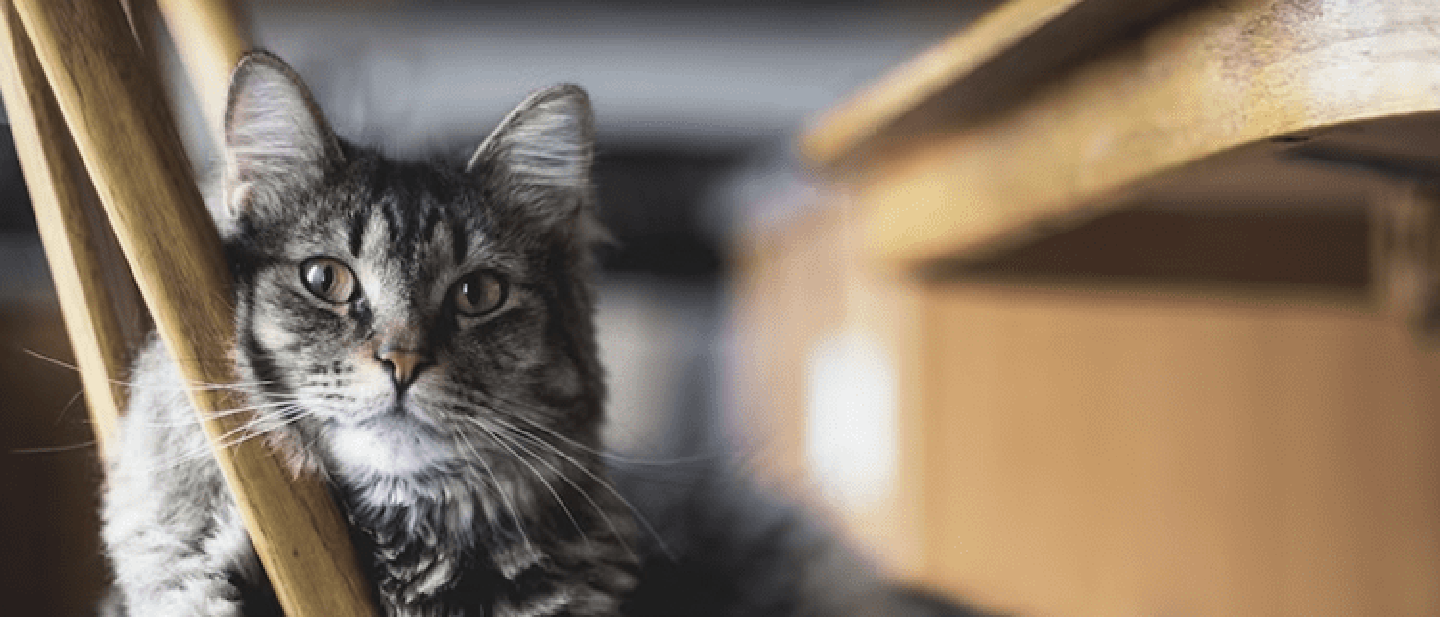
12 Best Indoor Cats: Top House Cat Breeds for UK Homes

Article checked by a vet
As the world around us becomes increasingly fast-paced, more pet parents are opting to keep their cat indoors to protect them from external dangers - not to mention, the extra cuddles you’ll get! Some domestic cat breeds are more suited than others when it comes to having indoor cats, so if you’re thinking of getting a cat it’s important that you first decide whether you want to keep your cat inside.
Some of the best indoor breeds include Ragdoll, Burmese, British Shorthair, and Maine Coon cats, which tend to be both gentle and sociable:
Breed | Temperament | Grooming level | Best for |
Ragdoll | Very gentle, affectionate, relaxed, people-oriented | Medium to high (long coat needs brushing) | Families, indoor homes, people wanting a calm cuddly cat |
British Shorthair | Calm, easy going, independent, affectionate | Low (short dense coat) | Apartments, busy owners, quiet households |
Burmese | Social, playful, affectionate, vocal | Low | Families, interactive homes, people wanting a very affectionate cat |
Sphynx | Extremely affectionate, energetic, attention-seeking | Medium to high (regular skin cleaning) | Owners who want a very social pet and can manage grooming care |
Siamese | Intelligent, vocal, affectionate, very interactive | Low | Owners who want a talkative, engaging companion |
Bengal | Highly active, curious, intelligent, playful | Low | Active households, owners who can provide lots of stimulation |
Maine Coon | Friendly, gentle, sociable, dog-like personality | Medium to high (long thick coat brushing) | Families, homes with lots of space, multi-pet households |
Russian Blue | Quiet, loyal, can be nervous of strangers | Low to medium | Quiet homes, single owners, calm environments |
Devon Rex | Mischievous, playful, affectionate, sociable, intelligent | Low (short curly coat) | Interactive households, people wanting a playful cat |
Birman | Gentle, affectionate, playful yet calm | Medium (semi-long coat brushing) | Families, first-time cat owners |
Scottish Fold | Sweet, calm, placid, adaptable, enjoys company | Low to medium | Apartments, relaxed households |
Selkirk Rex | Laid-back, affectionate, tolerant, patient | Medium (curly coat needs brushing) | Families, homes with children or other pets |
There are many indoor cat breeds, and in this article we help you choose the best indoor cat for your family. We also outline the pros of keeping an indoor cat and how best to care for them, so you can make an informed decision and prepare for the arrival of your new feline friend.
Make sure to check out our cat arrival checklist, so you have everything you need before the arrival of your new pet, which will help make them feel welcome and comfortable in their new environment.
Pros of keeping cats indoors
There are many advantages to keeping your cat exclusively indoors. Even if your cat is not typically classed as an indoor domestic cat breed, all cats can adapt to this lifestyle, especially if it’s implemented from kittenhood.
By keeping your cat inside, they are less exposed to the dangers of the outside world. You can protect them from traffic accidents, fights with other cats and attacks from wild animals, and therefore prevent potentially serious injury. Indoor cats are also at a lower risk of catching fleas, worms and other infectious diseases, although it is still advisable to make sure you know what fleas look like on cats for early detection.
Besides your cat, you can also help protect local wildlife since your cat won’t be hunting small mammals, such as birds and mice, if they’re not outside. It’s also important to note that if you have a pedigree cat, they may be at risk of theft from unpleasant opportunists, causing financial as well as emotional loss.
While there are many pros and cons to letting your cat outside, indoor cat breeds have the potential to live longer due to the lack of external dangers in their day-to-day life.
Essentials for house cats
While there are several advantages to keeping your cat indoors, there are certain things pet parents will need to implement in order to provide a good quality of life for their cat. Indoor cat breeds require a lot of physical and mental stimulation to maintain their health and wellbeing. Without free range of motion outdoors, indoor cats are also at higher risk of becoming overweight if they don’t get enough exercise in the home.
Here are some of the essentials to consider if you keep your cat indoors:
- They’ll need more mental stimulation. By providing toys, cat furniture, and interactive games for indoor cats, you can help stimulate your pet and keep them happy.
- They’ll need physical stimulation and exercise opportunities. There are various ways to exercise your indoor cat, including encouraging movement at mealtimes by using puzzle feeders. They also need vertical space to explore and climb.
- Indoor cats need a nutritious diet. It’s essential to feed your cat a balanced diet of high-quality cat food, tailored to their life stage, in order to maintain a healthy weight. You’ll need to work out how much to feed your cat, according to their breed, size and activity level, as well as providing fresh water daily. By discovering the benefits of mixed-feeding, you can also provide an exciting and varied diet.
- A litter tray is essential: Since your cat is not going outside, they will need a litter tray in the house to relieve themselves. Pet parents will need to keep their cat’s litter tray clean, scooping out any faeces daily and changing the litter once a week.
- They need a safe space: You should also dedicate a safe and quiet space for your cat to retreat and relax should they ever feel overwhelmed.
- Even indoor cats can be at risk from illness and parasites: Make sure to look out for any changes in your cat’s behaviour and take them to the vet for regular check-ups. Even if your cat stays indoors, they’ll need to be vaccinated and flea and worm treated.
Does your indoor cat have the right fuel? Every breed has unique needs, but all indoor cats share one requirement: nutrition that supports a sedentary lifestyle.
The 12 best house cat breeds
As mentioned, all cats can be kept indoors if they are introduced to this lifestyle from an early age. However, some indoor cat breeds are more adaptable to life inside, depending on their personality traits and activity levels. Below we list the best house cats, their appearance, grooming requirements, average weight and lifespan, as well as what their nature is like.
Ragdoll
Ragdolls are a popular indoor domestic cat breed as they are well suited to life indoors. With a sleek and long-haired coat, which you’ll need to regularly groom, ragdoll cats are all-white with dark patches appearing around their face and tail as they get older. Their large eyes are a beautiful bright blue colour, making it irresistible to resist their loving and sweet nature. Ragdolls are large in size and can range between 3.5-9kg, depending on their sex. They can live up to 15 years, making them a valuable addition to your family.
Whilst they enjoy playing and are easy-to-train, they are also very laid-back - hence their name ‘ragdoll’, as they become limp in your arms. Ragdolls are very sociable and love to be around family members, including children and other pets. However this does mean it’s best not to leave them alone for too long - and if you do, you can expect to find them at the door eagerly awaiting your arrival. By understanding your cat's body language, you can help to meet their needs and build your bond together.
British Shorthair
British Shorthairs are one of the best indoor domestic cat breeds as they’re not as curious in nature, so less inclined to want to explore. These cats have exclusively grey fur which is thick and lush. While they don’t require as much grooming, their coats do become more dense in winter which they later shed during summer, at which point you should help to maintain their coat.
British Shorthairs are extremely friendly and loyal, and whilst they may follow you around the house, they also enjoy their space. As kittens, British shorthairs are quite excitable and require a lot of stimulation and interaction with their owners. However, they do calm down as they get older and become more laid-back. Depending on their sex, British Shorthairs weigh between 3.2-7.7kg and are considered a medium-to-large sized breed. Their average lifespan is between 14-20 years, so you have many years to enjoy their company.
Burmese
Burmese cats love to be inside with their pet parents, making them a great indoor cat breed. With their short and sleek fur, Burmese cats have a low-maintenance coat which ranges between beige and brown in colour. Although they have strong muscles, they only weigh between 3-5kg making them the delicate creatures they are.
This cat breed is very affectionate and sociable, and gets along with children, other pets and even guests. However, they don’t like to be alone for too long, so if you spend a lot of time away from home then a Burmese cat may not be for you. Whilst male Burmese cats are more laidback, female Burmese cats are more active - and both will want your attention. With an average lifespan of 16-18 years, there’s plenty of time to shower them with love.
Sphynx
Whilst Sphynx cats’ lack of fur means they are low-allergen to most allergy sufferers, to some it may seem like they’re not very affectionate. However, the opposite is true; Sphynx cats are very loving and friendly, and enjoy relaxing in their owner’s laps. They enjoy playing so will need a lot of physical and mental stimulation to keep them busy.
Sphynx cats can make the best house cats as their skin is sensitive, so it’s best to keep them indoors regardless. You will need to keep their skin clean with a regular bath to prevent oil build-up. Make sure you read our guide on how to wash a cat safely before you start. On average, Sphynx cats weigh between 3.5-7kg and can live anywhere between 8-14 years.
Siamese
Siamese cats are one of the most popular, friendliest and most stunning indoor cat breeds with their sparkling light blue eyes. Although their coat is white and cream, they have dark patches around their face, paws and tail. Their fur is also short and soft, making it easy to groom. Siamese cats can weigh around 2.5-6kg, and can live a great life between 15-20 years.
These cats are extremely sociable and enjoy talking with their owners in their deep voice. Since they’re highly intelligent, Siamese cats require a lot of mental stimulation with interactive toys and entertainment from their owners - they even enjoy playing fetch! However, this does mean they can get into trouble if left to their own devices, so if you’re out of the house for long periods of time, a Siamese cat may not be suitable.
Bengal
Bengal cats are another great indoor cat breed, although their leopard fur may have you fooled. Bengal cats are highly intelligent and need lots of mental and physical stimulation with interactive toys and sensory objects. Like their ancestors, Bengal cats also love climbing so you’ll need some type of cat furniture or trees around the house.
Bengals are a sociable cat breed and happy to spend time with family members or even other cats or pets in the home. Like some other indoor cat breeds, they don’t like to be alone for too long as they enjoy attention from their owners. Although they can easily become overweight, and therefore require carefully tailored nutrition for indoor cats, Bengal cats generally weigh between 3.6-6.8kg. They can live between 12-16 years, if kept happy and healthy, and are generally considered low-allergen for those with allergies.
Maine Coon
One of the best indoor cats are Maine Coons, as long as you have ample space for them to move around. Maine Coons range in coat colour, from brown and black to cream and white, but this cat breed is known for its long fur which you’ll need to regularly groom. They also love to scratch, so make sure to have a few scratching posts around your home to help with preventing furniture scratching.
Maine Coons are very intelligent cats and require a lot of mental and physical stimulation to satisfy their curiosity. They love interactive toys and activities where they get to spend quality time with their owners. They are extremely loyal and affectionate, and may show preference to one family member over others. Maine Coons are medium-to-large sized cats, ranging between 3.6-8.2kg depending on their gender, and can live up to 14 years.
Russian Blue
Russian Blues have a beautiful bluish-grey coloured coat, which is velvet-like, low maintenance and hypoallergenic. With their green and yellow eyes, Russian Blues have a striking intensity. They love to spend as much time as possible with their owners, following them from room-to-room. They also get along well with children, although they may be shy around strangers.
Russian Blues can be some of the best house cats, since they’re not too active and enjoy a consistent and familiar routine. They are also very clever cats and can be trained to play different games. You can leave this cat breed alone for some time, just make sure to have a cat tree at home since they enjoy climbing and jumping. Russian Blues can weigh between 3.6-6.8kg, and enjoy a long life between 15-18 years.
Devon Rex
Devon Rex cats are a distinctive-looking breed with their wavy coats, which are easy-to-maintain, and come in a wide variety of colours. Devon Rex cats are extremely loyal and love to spend time with their owners by accompanying you around the house - even while sitting on your shoulders! They are sociable and friendly, and can be a great companion to children in the family.
This intelligent cat breed is also highly trainable and enjoys learning new tricks, so pet parents should provide interactive toys and cat furniture to keep them stimulated. Their playful nature continues from kittenhood even as they become senior cats. Devon Rex cats are on the smaller side as they only weigh between 2.5-4kg, although they’ll need more space than you think with their high energy, and can live between 9-13 years.
Birman
Birman cats are another unique indoor cat breed, with their long and soft ivory fur and dark patches around their face, paws and tail. Their beautiful coat will require some maintenance, but otherwise Birman cats are quite docile.
Loving and gentle, Birman cats love to be around their owners, whether you’re doing chores or relaxing on the sofa; they’ll take as many cuddles as they can get. Birman cats are also smart and enjoy playing interactive games with their owners. They have a natural curiosity and spend most of their waking time exploring their home environment. Typically weighing between 4-7kgs, Birman cats are medium-sized, and have an average lifespan of 12-16 years.
Scottish Fold
Scottish Folds have a distinctive look, with their unique ear shape and beautiful owl-like faces. They’re known for being calm, affectionate and very laid back, with a tolerant personality, making them an ideal indoor breed which thrives when living with families and other pets. Some cat owners consider them as loyal as a dog, and they enjoy chatting with their sweet, quiet voices. They are considered a medium-sized cat, with a dense coat that will need grooming twice a week. They typically weigh 3-6kgs, and live around 11-5 years.
Scottish Folds can, however, be more prone to some health complaints, including joint problems and arthritis. They may need more regular checkups with your vet, but when properly cared for can live a long and happy life within a busy and loving household.
Selkirk Rex
Selkirk Rex cats boast a uniquely curly coat, and sometimes curly whiskers, making them known as the sheep variety of the cat world! Playful, affectionate and laid-back, these tolerant indoor cats are ideal for homes with families and other indoor pets. They are considered a medium to large cat, and come in two coat varieties - short and long, which require different grooming levels.
The Selkirk Rex will typically weigh 5-6kgs, and can live to approximately 10-14 years of age. They usually love cuddles, are typically patient, and feature both Persian and British Shorthair ancestry though the breed originates from the USA.
Table of Contents
Discover more ways to look after your cat, and get to know them better to fully support their health and wellbeing:
Related Articles
CAT & KITTEN GAMES: FUN WAYS TO PLAY WITH YOUR FURRY FRIEND
Discover the best kitten games to keep your furry friend engaged and learning. Perfect for occupying active feline friends. Find out more with Perfect Fit.
READ MORE
AVERAGE CAT WEIGHT: THE IDEAL RANGE FOR A HEALTHY FELINE
Cats come in all shapes and sizes, depending on their breed, sex, age, activity levels and diet. Like humans, cats can be identified as underweight or overweight too, with both presenting potential health risks.
READ MORE
CATS BODY LANGUAGE: UNDERSTANDING YOUR FELINE'S NON VERBAL SIGNALS AND BEHAVIOURS
Get a professional view on cats body language, what influences their moods and understanding their signals. Learn to understand their non verbal cues.
READ MORE
BENEFITS OF MIXED FEEDING FOR ADULT CATS
Mixed-feeding or feeding your cat a balanced diet of wet and dry food, is just as important now as when she was a kitten.
READ MORE